
Web sim
It's the shovels, not the swords
Everything you know about Israel is wrong. It is not about the armies. It is about the water.
Screenshots
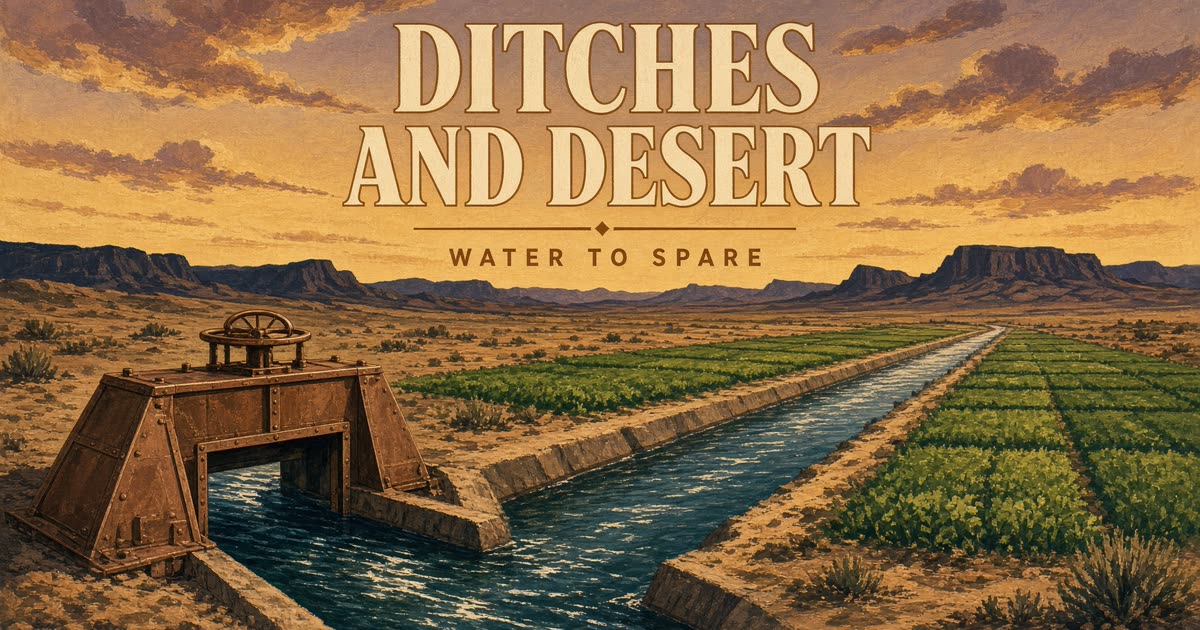
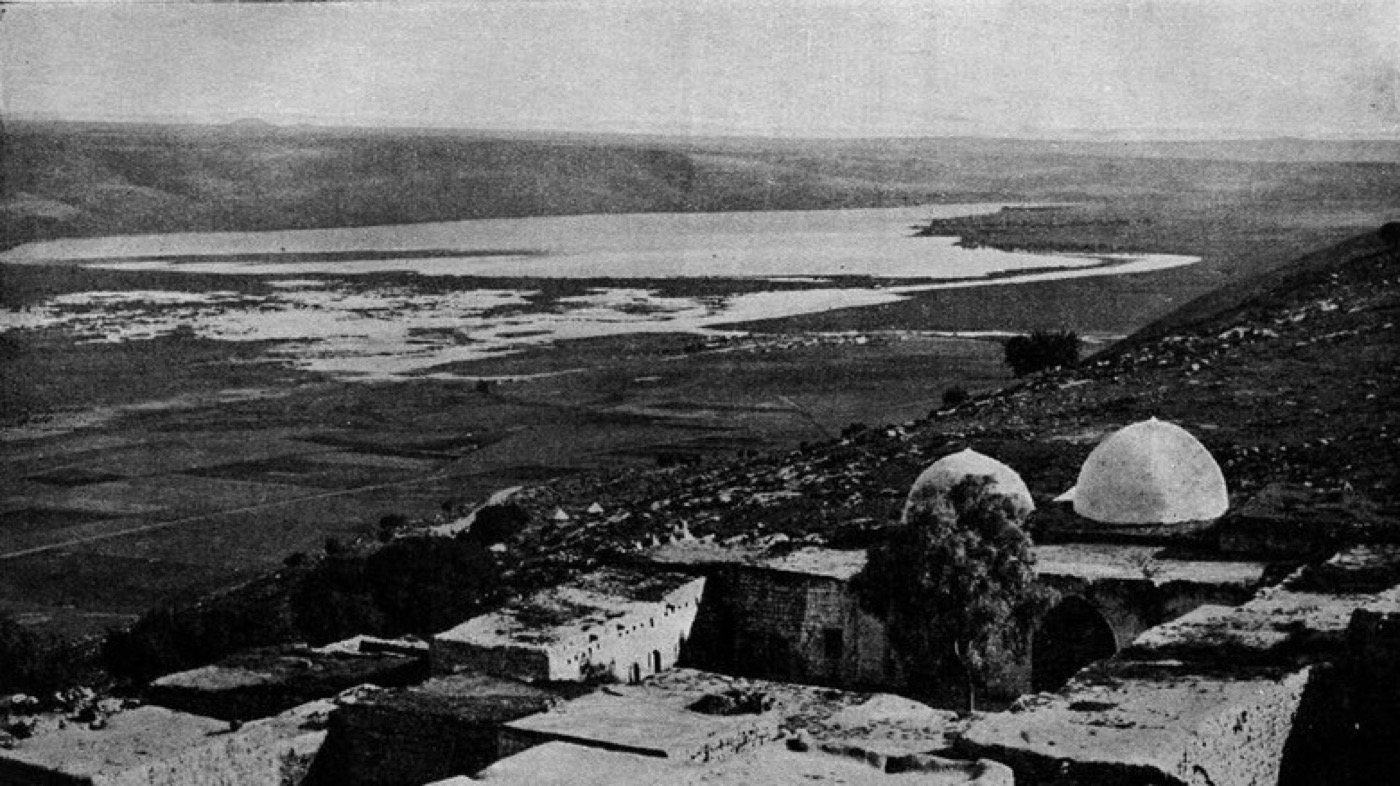

Amateurs talk about tactics, but professionals study logistics. - Gen. Barrow, Commandant of the Marine Corps
The first essential condition for an army to be able to stand the strain of battle is an adequate stock of weapons, petrol and ammunition. In fact, the battle is fought and decided by the quartermasters before the shooting begins. The bravest men can do nothing without guns, the guns nothing without ammunition. - Rommel
Everything you know about Israel is wrong. It’s not about the armies, it is about the water. I came to this realization by looking at a map of Israel on Google Earth.
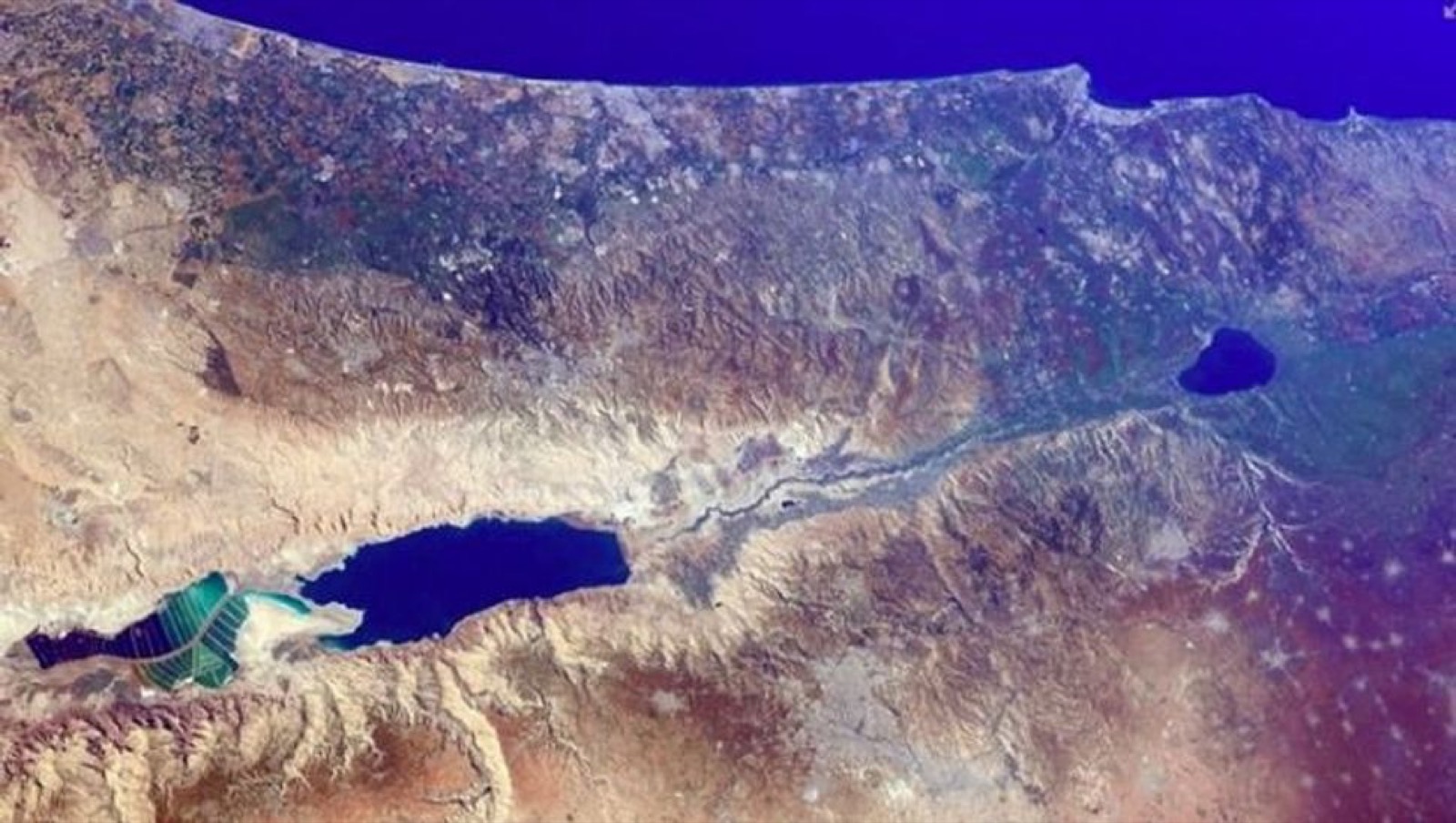
It very much reminded me of a place in the USA I have driven through many times when I lived in Flagstaff, AZ and my parents lived in Los Angeles, CA. Death Valley country, the Mojave.

This is not land that is useful for anything without a shovel.
Big swaths of Israel are the same kind of shitty land. Hard desert. Rock. Places that do not feed anyone until somebody lays a pipe.
Israel likes to say Jews bought a lot of the land from Arabs before there was a state. That part is true. What they bought was not a secret garden. Arabs sold them swamps, dunes, and rock. Absentee landlords in Beirut sold them valley farmland; the Jews often paid the tenants a second time to leave. There were a few working farms near the coast. The returning Israelites had a plan for the rest.
The plan needed ditches. The Hula was a malaria swamp sitting on the Jordan. Every bit drained was more farmland and less water wasted into the air. Beirut merchants held the drainage concession for twenty years and did not drain it. The British approved a Jewish company taking that concession in 1934, then spent a decade not digging. After 1939 they also froze Jewish land purchase across most of the country. The English did not have to leave so a swamp could be drained. They had to leave before it would be drained.
Palestinians argue they owned most of the country, so the UN map was unfair. They owned the mountains. They had orchards. That is not the same thing as owning the desert.
You can’t eat an Ottoman deed. Even the Ottomans had a category for dead land: the person who brought it to life had a claim. Desert is owned by the person who digs: pipelines, wells, irrigation. The green stops where the pipe stops, you can’t eat dirt:
So the Palestinians threw out the map and tried to take all of it.
Any Cajun will tell you it is hard to run people out of a swamp. The Palestinians were run into the hills and Gaza instead. That is where they still live.
Prove it to yourself
It’s 2026. You don’t have to read this and decide if you believe it. You can run it, all you have to believe is that humans need food, and plants need water.
Play it: ditches.grok.me
I built a sim. You get a map of Israel. It starts before independence. The Hula is still a swamp. If Israel is going to be prosperous, you drain it. You cannot finish that ditch while the British are still the government. Not because they banned it. Because they approved it and never dug it. Kick them out, or skip the year before independence, and then start draining.
You set water policy a year at a time. Things cost money. Lay pipes. Allocate water and make a farm. Dig a well and found a kibbutz. You get as many moves as the population can support. The rich get richer.
War will happen. The water does not move. Israel does not need more land. It needs more water.
Make it to 2050 and fusion desalinators come online. Israel becomes the promised land. Finally.
Stuck? Skip the year before independence, then drain the Hula. Click next move for the AI’s pick. Shift-click and watch Israel grow.
Play it: ditches.grok.me
Receipts
- Gen. Robert Barrow, San Diego Union, 11 Nov 1979: amateurs talk tactics, professionals study logistics
- Army University Press: the line is modern, not Napoleon
- Rommel, The Rommel Papers: the battle is decided by the quartermasters
- Hansard, 21 Dec 1934: Britain approves the Jewish purchase of the Huleh concession
- Britannica: Hula drained 1951-1958, after independence
- Peel Commission, 1937: much of the orange-grove land was sand dune or swamp when it was bought
- Jewish land purchase: about 6-7% of Mandate Palestine by 1947, clustered on the coast and the valleys
- Sursock sales: Jezreel and Haifa Bay, absentee landlords in Beirut
- 1939 White Paper, land section
- Land Transfers Regulations, 1940: Zone A closed, Zone B by permission
- UN map, 1945 ownership by sub-district
- UN partition: the Jewish share is mostly Negev
- 1948: West Bank hills and Gaza, not one destination
- Ottoman Land Code of 1858: mevat, dead land, Articles 6 and 103