Article
Megyn Kelly Interview with RFK Transcript
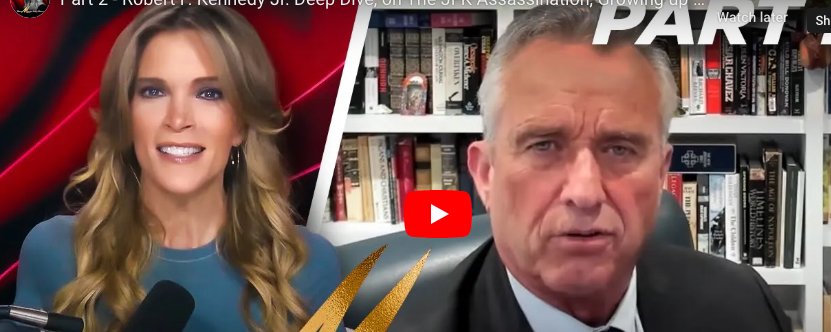
Transcribed by https://kome.ai/tools/youtube-transcript-generator, summarized by grok. Because who has 4 hours?
Introduction:
Host: Megan Kelly introduces the episode of "The Megan Kelly Show," focusing on President-elect Donald Trump's cabinet picks, particularly Robert F. Kennedy Jr. (RFK Jr.) as the Health and Human Services Secretary.
RFK Jr.'s Background and Controversy:
Profile: RFK Jr. is described as coming from the Kennedy dynasty, with a history in law, particularly as an environmental lawyer. He's known for controversial stances, especially on vaccines.
Past Actions: Previously labeled by President Biden as part of the "disinformation dozen" for spreading misinformation about vaccines, RFK Jr. was deplatformed from many social media sites but has since regained some visibility.
Interview with RFK Jr.:
Vaccine Discussion: RFK Jr. clarifies his stance on vaccines, emphasizing he's not anti-vaccine but advocates for safe vaccines. He discusses the presence of mercury (thimerosal) in vaccines, arguing about its dangers and the lack of comprehensive safety studies.
Mercury Claims: He disputes the notion that ethyl mercury in vaccines is less harmful than methyl mercury from fish, citing studies and personal conversations with scientists like Paul Offit.
Autism Debate: RFK Jr. links the increase in autism rates to vaccines, arguing that the rise coincided with an expanded vaccine schedule and the introduction of certain toxins. He cites government studies and personal observations to support his view.
Criticism of Public Health Agencies: RFK Jr. accuses agencies like the FDA, CDC, and NIH of being influenced by pharmaceutical companies, leading to biased research and policy decisions.
Anthony Fauci:
AIDS and AZT: He criticizes Fauci's handling of the AIDS crisis, particularly his support for AZT, which RFK Jr. claims was dangerously toxic.
Gain-of-Function Research: RFK Jr. discusses Fauci's involvement in gain-of-function research, suggesting it might have led to the COVID-19 outbreak either through negligence or deliberate manipulation.
Public Health and Policy:
COVID-19 Response: He critiques the focus on vaccines over other treatments like ivermectin or hydroxychloroquine, suggesting financial and control motives behind these decisions.
Censorship: RFK Jr. mentions his experiences with censorship, linking it to his views on vaccines and the lab leak theory of COVID-19, which has since gained more acceptance.
Personal Impact:
Family and Marriage: He talks about the personal toll of his public stances, including the impact on his marriage to Cheryl Hines, who publicly distanced herself from his views.
Conclusion:
Megan Kelly promises a continuation of the interview, focusing on personal aspects and further discussion on censorship and public health policy.
Additional Notes:
The interview is interspersed with advertisements, including one for an athletic brand supporting women's sports and another for Delta rescue, an animal sanctuary.
This segment provides a deep dive into RFK Jr.'s controversial views, his personal life, and his impact on public health discourse, framed by Megan Kelly's interview style.
Part 2:
Here's a concise summary of the video transcript provided:
Introduction:
Host: Megan Kelly welcomes viewers to part two of her interview with Robert F. Kennedy Jr., conducted in March 2022. She highlights that this part will delve into personal aspects of RFK Jr.'s life, including his views on censorship, family, and historical events.
Key Topics Covered:
Censorship:
RFK Jr. discusses the censorship he has faced, particularly regarding his views on vaccines and the origins of COVID-19. He notes that no specific statements of his have been proven false, but rather, his criticism of government policies has been labeled as misinformation.
Family and Personal Life:
Growing Up Kennedy: RFK Jr. shares anecdotes about his childhood, growing up as part of the Kennedy family, with stories about his uncle, President John F. Kennedy, and his father, Robert F. Kennedy. He talks about the family's emphasis on discipline, education, and community.
Marriage to Cheryl Hines: He explains the impact of his controversial stances on his marriage, including how he encouraged his wife to publicly distance herself from his views to protect her career and personal life.
Historical Reflections:
JFK and RFK Assassinations: RFK Jr. expresses his belief that the CIA was involved in both his uncle's and father's assassinations, suggesting a deep-seated conflict between the Kennedy family and intelligence agencies. He also challenges the official narratives of these events.
Vaccine Controversies:
He continues from the previous discussion, arguing that no studies have shown that the flu vaccine prevents more harm than it causes, and he criticizes the lack of unbiased research into vaccine safety.
Political and Social Commentary:
RFK Jr. identifies as a Democrat but criticizes the current political division in the U.S., advocating for unity and critical thinking over partisan divides. He expresses concerns about the manipulation of information by social media algorithms and the power dynamics involving big tech, government, and pharmaceutical industries.
Moral and Ethical Stances:
He discusses the importance of moral courage and forgiveness, notably mentioning his support for the parole of Sirhan Sirhan, his father's assassin, as an act of forgiveness, even while suggesting Sirhan might not have been the actual killer.
Miscellaneous:
RFK Jr. touches on conspiracy theories around Marilyn Monroe's relationship with the Kennedys, denying any affairs due to logistical impossibilities in his father's known schedule.
Conclusion:
Megan Kelly thanks RFK Jr. for his openness during the interview, emphasizing the importance of free speech and dialogue on controversial issues. She encourages feedback from the audience, particularly on whether RFK Jr.'s perspectives were persuasive or if they felt censorship was justified.
Tt into RFK Jr.'s personal experiences but also his broader critique of contemporary politics, public health, and historical narratives.